Moving Companies in Wadesboro, NC
How move type affects the bill
Moving companies generally follow one of two pricing structures. Local work is usually charged by the hour, while long-distance jobs are priced from weight, volume, and mileage.
Local moves under 100 miles
For a truck and a crew of 2–3 movers, hourly pricing commonly lands between $100 and $200. The total for a local relocation typically runs from $400 to more than $1,500, depending on the size of the home, from a 1-bedroom apartment to a house with 3–4 bedrooms.
Long-distance moves over 100 miles
Long-distance pricing is usually tied to weight and distance, with volume also considered. Household size plays a large role, and a typical long-distance move can range from $2,000 to more than $5,000.
Where Wadesboro-area crews come from
Wadesboro is a smaller Anson County community, and dedicated brick-and-mortar moving companies are not heavily concentrated inside the town. Most local and regional moves are run from the Charlotte metro, Monroe, or the Piedmont Triad area.
Travel time and estimate pitfalls
When a mover is coming from Charlotte or Monroe, the hourly clock may begin when the truck leaves the shop rather than when it arrives at your home. A company located 45 minutes away could charge for about 1.5 hours of travel time across the round trip. Ask before booking when the clock starts.
An in-person or video walkthrough should replace a loose phone quote. Seeing the home can reveal pianos, large safes, or awkward furniture that may carry heavy-item surcharges on moving day.
Restricted household items
Safety rules bar movers from carrying certain goods, including propane tanks, bleach, aerosols, gasoline, live plants on long-distance moves, and open chemical containers. Move these in a personal vehicle or dispose of them before the job.
Declutter before getting quotes
Because local moves are billed by time and long-distance moves by weight, low-value items that are heavy or bulky can cost more to move than they are worth. Old particle-board furniture and unused books are common examples. Clearing them before estimates creates direct savings.
License checks for North Carolina moves
Intrastate movers operating in North Carolina must hold a license. Verify a carrier through the North Carolina Utilities Commission or the FMCSA SaferSys search to make sure it is insured and legitimate.
Free · no obligation
Quotes from movers in Wadesboro, NC
Two answers below and we pass your move to licensed companies from this page. No account, no fee to you.
Filter & sort Rating, reviews, fleet, licence
Best Movers in Wadesboro, NC
Ranked by popularity. Licensing, insurance and photos shown for each.
















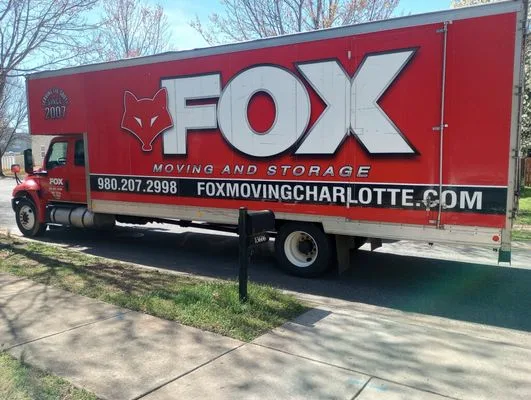
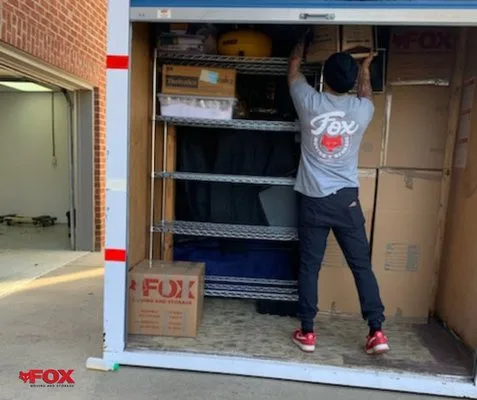

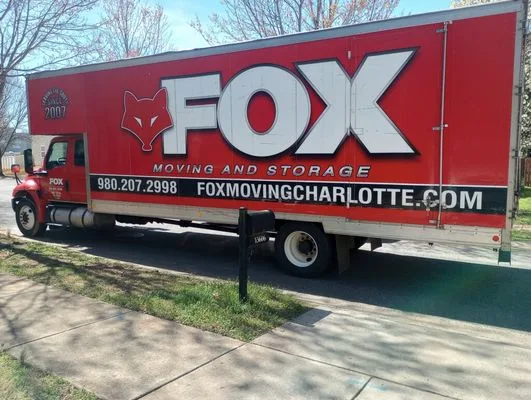


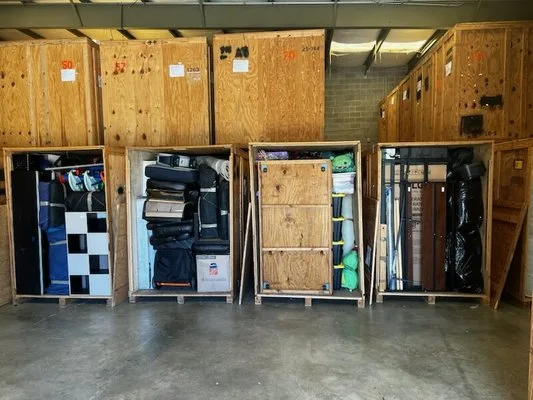
What customers say in Wadesboro, NC
Who's moving to Wadesboro, NC
Federal tax-filer migration data for Anson County.
82% arrived from elsewhere in North Carolina. Most arrivals are in-state moves, so a regional company will usually cover it — check interstate authority only if you're crossing a state line.
See licensed movers61% of departures stayed under 50 miles. Short local moves are usually priced by the hour, so a regional company is often the cheaper call.
See the full picture — 5-year trend, state flows and top routes
Each bar shows that state's in/out split — rows are ranked by total volume.
Households arriving from another state report $36,393 in average annual income; those relocating from elsewhere in North Carolina report $47,055. Long-distance arrivals are the higher-budget half of the market.
How this works: IRS SOI County-to-County Migration Data, 2022-2023. The IRS compares the address on consecutive tax returns, so every move here is a real filed household. The catch: it publishes annually with about a two-year lag, counts Anson County rather than city limits exactly, misses people who don't file a return, and leaves 36% of moves unattributed to a specific county, because flows too small to publish are grouped into regional buckets instead. See the whole state on the North Carolina migration page →
How much truck space do you need?
I’m moving a that’s .
Industry rules of thumb — about seven pounds per cubic foot, and published rental-truck capacities. Not our carrier records, not a quote. Bring both numbers to the call and what you get back will finally be comparable.