Moving Companies in Linville, NC
What moving costs look like in Linville, NC
Linville is a small, mountainous community in Avery County, so dedicated moving storefronts are limited and most crews dispatch from Boone, Banner Elk, or Hickory. The table below shows the numbers to budget for a local move in this part of North Carolina.
| Cost category | Typical range | What affects it |
|---|---|---|
| Typical local move total in North Carolina | $300 – $1,500 | Smaller homes and short distances; larger homes and mountain access push costs higher. |
| Local hourly rate (2 movers + truck) | $80 – $150+ per hour | Crew size, seasonal demand, and whether a shuttle truck is needed. |
| Labor-only help (loading/unloading your truck or POD) | $75 – $110 per hour | Good for loading or unloading a rental truck or POD when you only need extra hands. |
| Small apartment or studio move | $300 – $600 total | Stairs, steep driveways, and long carries can increase the final total. |
| 3-to-4 bedroom home local move | $1,000 – $2,500+ total | Larger crew and possible shuttle truck due to narrow or steep terrain. |
Linville-specific moving tips
- Mountain terrain surcharges: Linville sits at high elevation with steep, winding, and sometimes unpaved private driveways. Ask about extra “long carry” or “steep grade” fees if a large moving truck cannot safely reach your front door.
- Weather disruptions: Mountain weather in western North Carolina can change fast—heavy fog, ice, or sudden heavy rains can delay mountain transport. Build a 24-to-48 hour buffer into your timeline.
- Check NCDOT and USDOT licensing: Intrastate movers in North Carolina must be licensed through the North Carolina Utilities Commission (NCUC). Always verify credentials to protect your belongings.
- Avoid large cash or crypto deposits: Reputable local companies will request at most a modest deposit, and payment is normally completed after delivery via credit card or check. Be wary of large upfront cash demands.
- Narrow roads and low branches: Many Linville properties feature tight, tree-canopied roads. Inform your mover ahead of time if the road leading to your home is single-lane or low-clearance so they can bring an appropriately sized shuttle truck.
As you compare the Linville movers below, ask each candidate for a written estimate that spells out shuttle-truck, long-carry, and steep-grade fees so the mountain access costs do not surprise you later.
Free · no obligation
Quotes from movers in Linville, NC
Two answers below and we pass your move to licensed companies from this page. No account, no fee to you.
Filter & sort Rating, reviews, fleet, licence
Best Movers in Linville, NC
Ranked by popularity. Licensing, insurance and photos shown for each.
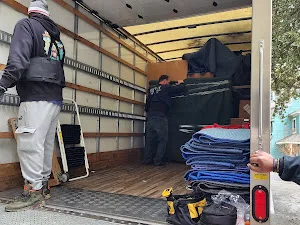




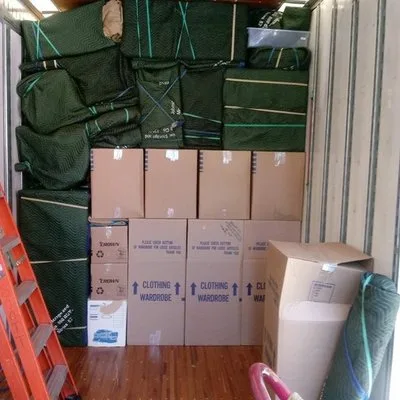
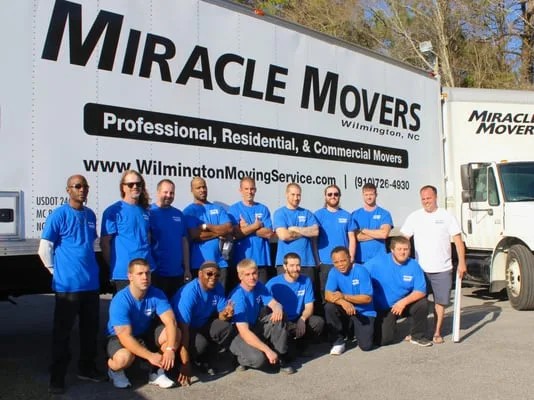






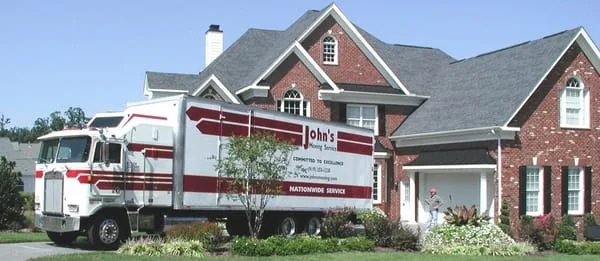




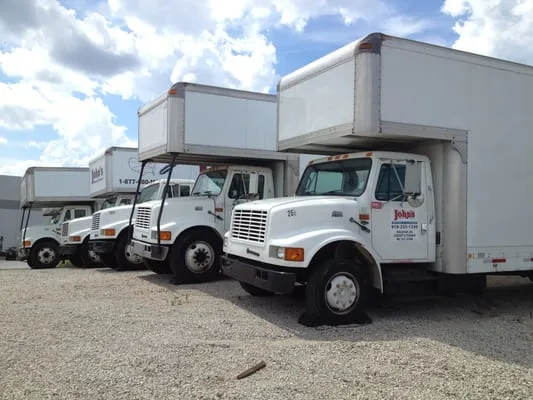
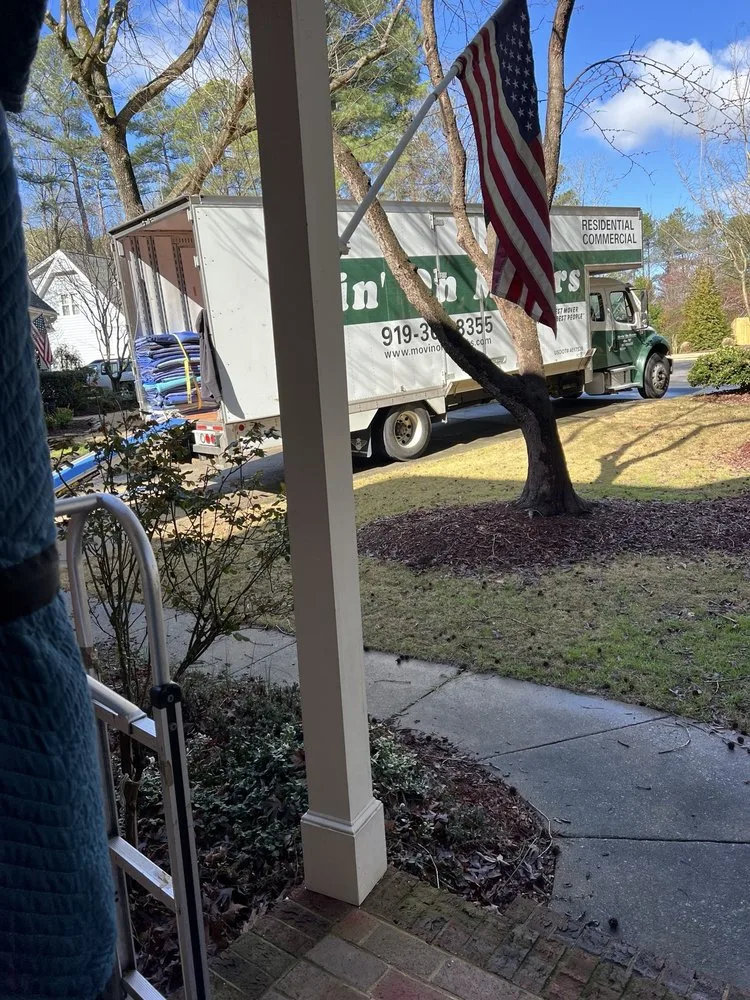
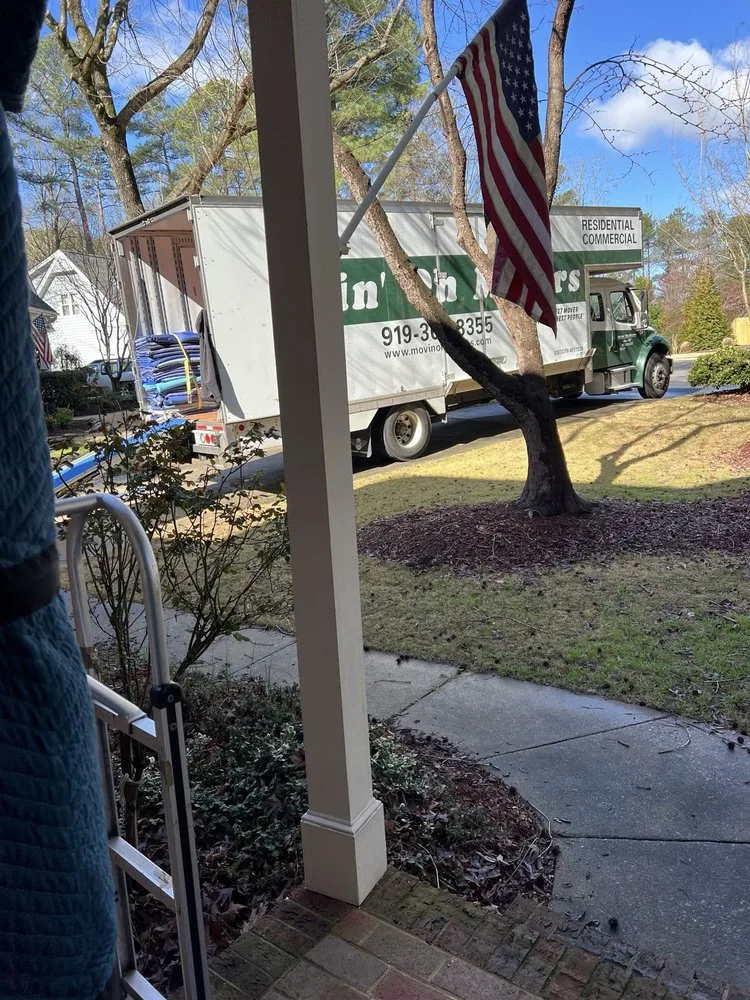





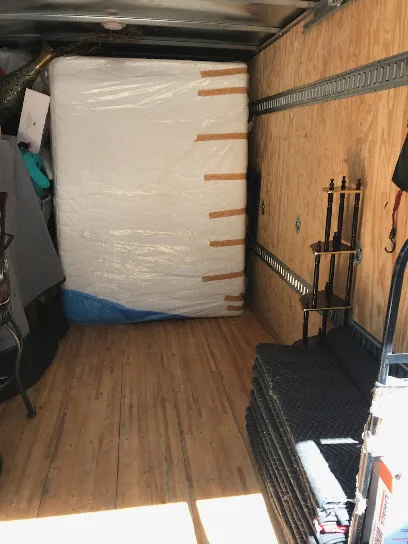
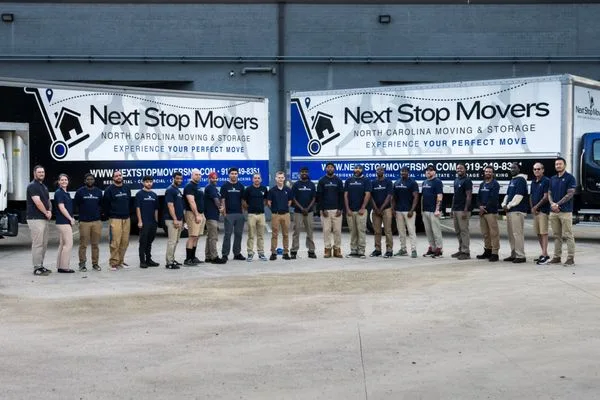
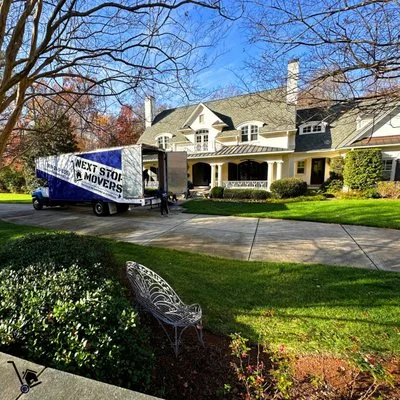
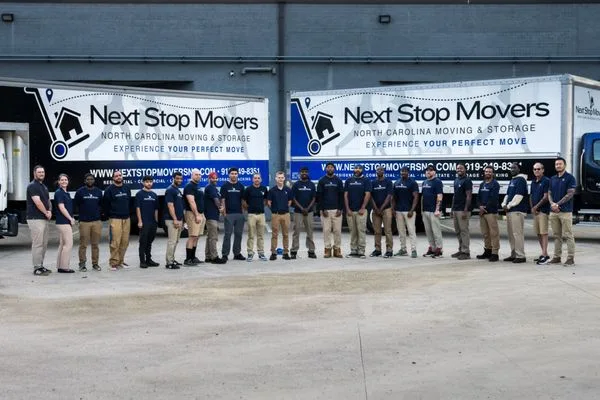

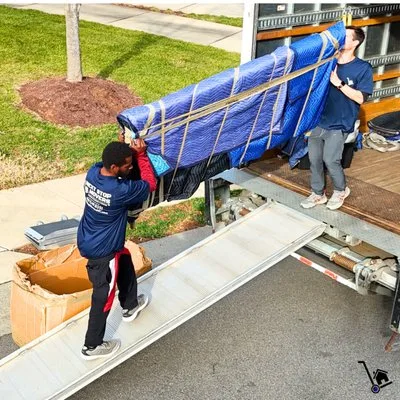





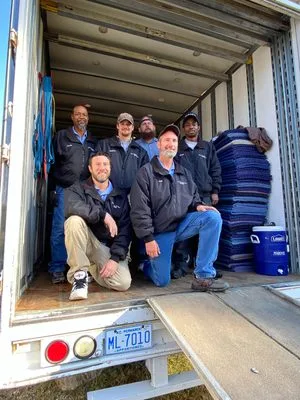


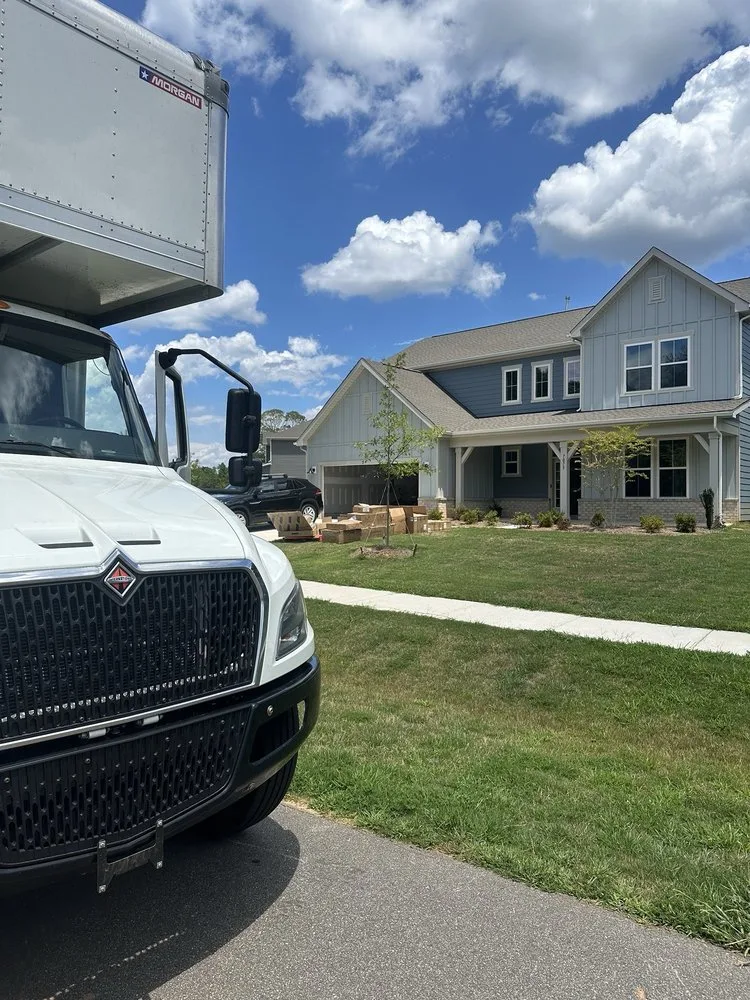
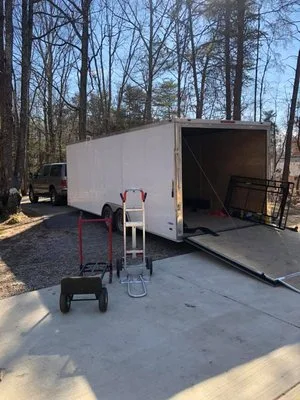


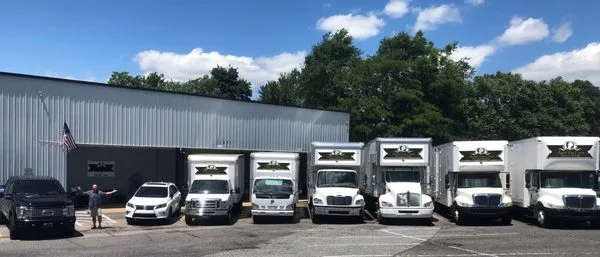
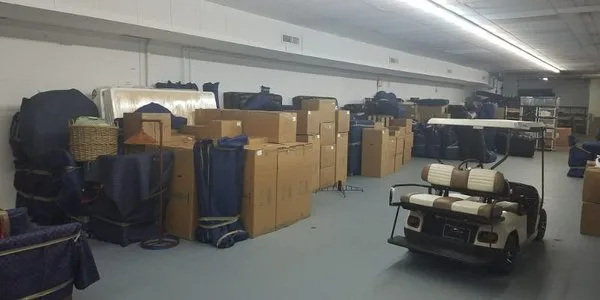

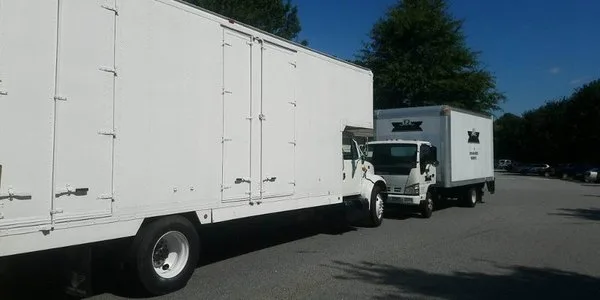
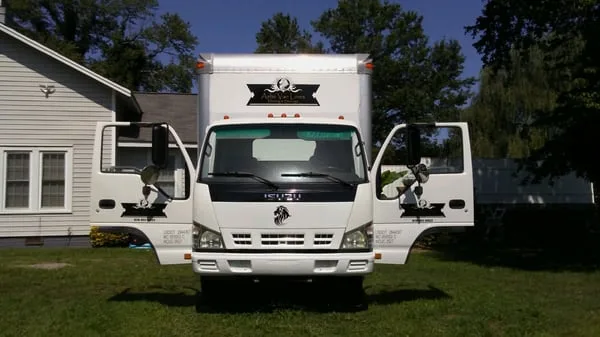
What customers say in Linville, NC
Who's moving to Linville, NC
Federal tax-filer migration data for Avery County.
56% arrived from elsewhere in North Carolina. Most arrivals are in-state moves, so a regional company will usually cover it — check interstate authority only if you're crossing a state line.
See licensed movers58% of departures stayed inside North Carolina. In-state moves are handled by regional carriers licensed at the state level.
See the full picture — 5-year trend, state flows and top routes
Linville refills from a distance: nearby counties pull households out, and the rest of the country only partly replaces them.
Each bar shows that state's in/out split — rows are ranked by total volume.
Households arriving from another state report $105,968 in average annual income; those relocating from elsewhere in North Carolina report $81,746. Long-distance arrivals are the higher-budget half of the market.
How this works: IRS SOI County-to-County Migration Data, 2022-2023. The IRS compares the address on consecutive tax returns, so every move here is a real filed household. The catch: it publishes annually with about a two-year lag, counts Avery County rather than city limits exactly, misses people who don't file a return, and leaves 74% of moves unattributed to a specific county, because flows too small to publish are grouped into regional buckets instead. See the whole state on the North Carolina migration page →
How much truck space do you need?
I’m moving a that’s .
Industry rules of thumb — about seven pounds per cubic foot, and published rental-truck capacities. Not our carrier records, not a quote. Bring both numbers to the call and what you get back will finally be comparable.