Moving Companies in Cary, NC
Average Hourly Rate and Total Cost for Local Moves in Cary
Local movers in Cary charge approximately $105 per hour, with typical total local move costs ranging from roughly $430 to $3,500 depending on the size of your home and inventory.
Cost Breakdown by Home Size
| Home Size | Typical Total Cost | Typical Crew and Time |
|---|---|---|
| Studio / 1-Bedroom | $400 to $900 | 2 movers for 3–5 hours |
| 2 to 3-Bedroom | $900 to $2,200 | 3 movers for 5–8 hours |
| 4+ Bedroom / Large Home | $2,200 to $3,500+ | 4+ movers for a full day |
Key Cost Factors
- Crew Size: Most local moving companies charge by the hour based on the number of workers dispatched (e.g., a 2-mover crew costs less per hour than a 4-mover crew, but takes longer).
- Timing: Rates and minimums often spike during peak moving season (late spring through summer) and at the end or beginning of the month.
- Additional Services: Packing services, specialty item handling (pianos, safes), or heavy flights of stairs can add extra fees or hourly time.
2-Person vs 3-Person Crew Costs for Hourly Moves in Cary
For a local, hourly-billed move in the Cary and greater Raleigh-Durham area, adding a third crew member typically increases your hourly rate by about $40 to $50 more per hour. Standard local moving rates for a fully equipped truck and crew generally break down as follows:
| Crew Size | Hourly Rate | Average |
|---|---|---|
| 2-Person Crew + Truck | $120 to $150 per hour | around $130/hr |
| 3-Person Crew + Truck | $170 to $200 per hour | around $180/hr |
Regulatory and Cost Factors in North Carolina
- State Legal Caps: Local intrastate moves in North Carolina are regulated by the North Carolina Utilities Commission (NCUC). Under their Maximum Rate Tariff guidelines, legal caps place strict ceilings on what companies can charge: roughly up to $188.40/hour for 2 movers and $243.30/hour for 3 movers. Reputable local companies usually charge safely below these maximums.
- Minimums and Travel Fees: Most local movers enforce a 3-hour minimum charge regardless of crew size, plus an additional one-hour travel/fuel fee to cover transit to and from your locations.
While a 3-person crew costs more per hour, they work significantly faster—often cutting total labor time down by 25% to 35% on larger homes (2+ bedrooms). For a small 1-bedroom apartment, a 2-person crew is usually most cost-effective; for larger homes, a 3-person crew often balances out the hourly difference by finishing the job in fewer total hours.
Free · no obligation
Quotes from movers in Cary, NC
Two answers below and we pass your move to licensed companies from this page. No account, no fee to you.
Filter & sort Rating, reviews, fleet, licence
Best Movers in Cary, NC
Ranked by popularity. Licensing, insurance and photos shown for each.
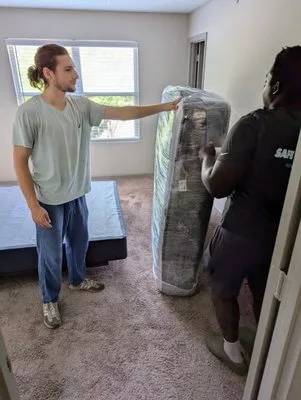

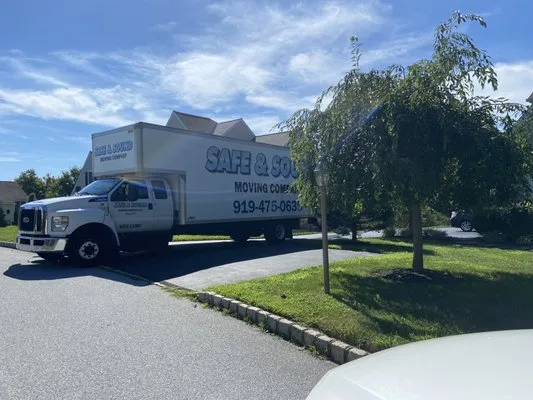

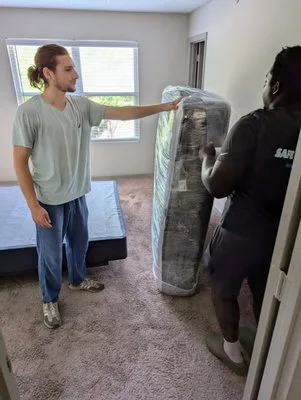







Who's moving to Cary, NC
Federal tax-filer migration data for Wake County.
58% arrived from another state. Long-haul moves need a carrier with active interstate operating authority — plenty of local companies don't hold one.
See licensed movers49% of departures went farther than 50 miles. Beyond that range moves are priced by weight and distance, and a state line means the carrier needs interstate authority.
See the full picture — 5-year trend, state flows and top routes
Cary refills from a distance: nearby counties pull households out, and the rest of the country more than replaces them.
Each bar shows that state's in/out split — rows are ranked by total volume.
Households arriving from another state report $97,394 in average annual income; those relocating from elsewhere in North Carolina report $68,318. Long-distance arrivals are the higher-budget half of the market.
How this works: IRS SOI County-to-County Migration Data, 2022-2023. The IRS compares the address on consecutive tax returns, so every move here is a real filed household. The catch: it publishes annually with about a two-year lag, counts Wake County rather than city limits exactly, misses people who don't file a return, and leaves 14% of moves unattributed to a specific county, because flows too small to publish are grouped into regional buckets instead. See the whole state on the North Carolina migration page →
How much truck space do you need?
I’m moving a that’s .
Industry rules of thumb — about seven pounds per cubic foot, and published rental-truck capacities. Not our carrier records, not a quote. Bring both numbers to the call and what you get back will finally be comparable.